As we navigate the complexities of modern life, it’s easy to feel like we’re walking on shifting sands. The ever-changing landscape of business and technology, coupled with the personal struggles we face in our relationships and careers, can leave us feeling anxious, overwhelmed, and uncertain about the future. However, what if we told you that there’s a way to cultivate emotional resilience in the face of uncertainty? A way to rewire your brain for positivity, overcome self-doubt, and develop a growth mindset that can help you thrive in even the most challenging times?
Life is inherently uncertain, and it’s only natural to feel anxious or overwhelmed when faced with the unknown. But what’s more alarming is that 70% of people experience imposter syndrome at some point in their lives (Kets de Vries, 2014). This phenomenon, where individuals doubt their abilities and fear being exposed as a “fraud,” can be debilitating, causing people to feel like they’re just pretending to be someone they’re not. The truth is, everyone experiences imposter syndrome to some degree, but it’s how we respond to it that matters. By acknowledging this uncertainty, we can begin to develop a growth mindset and start to see challenges as opportunities for growth and learning.

Emotional resilience is the key to navigating uncertainty with confidence and poise. It’s the ability to bounce back from adversity, to adapt to changing circumstances, and to maintain a positive outlook even in the face of challenge. But emotional resilience isn’t just a natural trait – it can be developed and strengthened through practice and self-awareness. Research has shown that individuals with high emotional intelligence are better equipped to handle stress and uncertainty (Goleman, 1995). By developing emotional intelligence, you can learn to recognize and manage your emotions, making it easier to navigate uncertainty with confidence and poise.
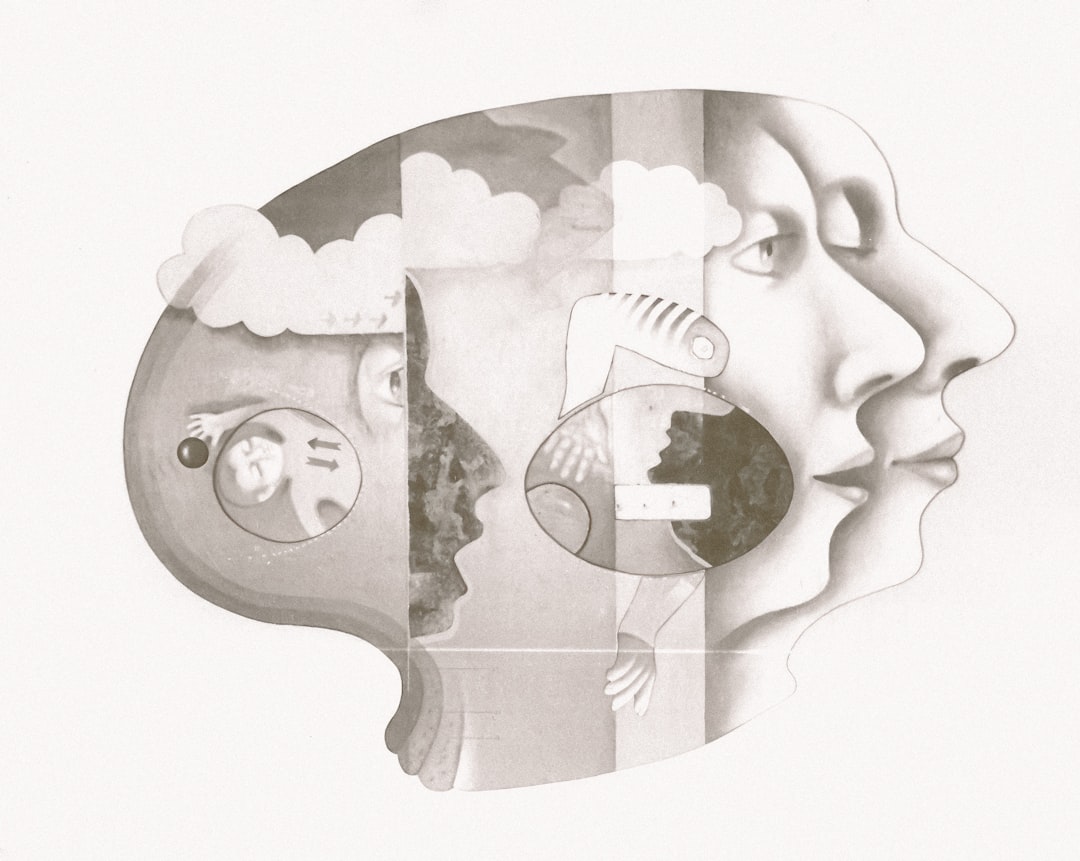
So, what is the secret to developing emotional resilience? The answer lies in the realm of neuroplasticity – the brain’s ability to reorganize and adapt in response to new experiences. Neuroplasticity allows us to rewire our brains for positive thinking, to overcome cognitive biases, and to develop a growth mindset that can help us thrive in even the most challenging times. When we experience uncertainty, our brains go into “fight or flight” mode, releasing stress hormones like cortisol and adrenaline. However, research has shown that individuals who practice mindfulness and self-compassion are better equipped to handle stress and uncertainty (Hölzel et al., 2011). By developing emotional intelligence and practicing mindfulness, we can rewire our brains to respond to uncertainty in a more positive way.
So, how do we rewire our brains for resilience? The answer lies in developing a growth mindset. A growth mindset is the belief that our abilities and intelligence can be developed through hard work, dedication, and persistence. When we adopt a growth mindset, we begin to see challenges as opportunities for growth and learning, rather than threats to our ego. One way to develop a growth mindset is to practice self-awareness. Self-awareness is the ability to recognize and understand our thoughts, feelings, and behaviors. By developing self-awareness, we can identify areas where we need to grow and develop, and take steps to improve ourselves. For example, a study by the University of Michigan found that individuals who practiced self-awareness were better equipped to handle stress and uncertainty (Kashdan & Ciarrochi, 2013).
Neuroplasticity is the key to harnessing the power of our brains. By reorganizing and adapting our brains in response to new experiences, we can develop new neural pathways and strengthen existing ones. This process is called neuroplasticity. Research has shown that neuroplasticity is a lifelong process, and that we can continue to develop new neural pathways and strengthen existing ones throughout our lives (Draganski et al., 2004). By practicing mindfulness, self-compassion, and emotional regulation, we can harness the power of neuroplasticity and develop a more resilient brain.
So, how do we put these concepts into practice? Here are some practical strategies for cultivating emotional resilience:
Recognizing and Challenging Cognitive Biases
Cognitive biases are thought patterns that can undermine our confidence and lead to negative thinking. By recognizing and challenging cognitive biases, we can develop a more positive and resilient mindset. One way to recognize and challenge cognitive biases is to practice self-awareness. Self-awareness is the ability to recognize and understand our thoughts, feelings, and behaviors. By developing self-awareness, we can identify areas where we need to grow and develop, and take steps to improve ourselves.
Another way to recognize and challenge cognitive biases is to practice mindfulness. Mindfulness is the practice of being present in the moment, without judgment. By practicing mindfulness, we can become more aware of our thoughts and feelings, and learn to recognize and challenge cognitive biases. For example, a study by the University of Michigan found that individuals who practiced mindfulness were better equipped to handle stress and uncertainty (Kashdan & Ciarrochi, 2013).
By recognizing and challenging cognitive biases, we can develop a more positive and resilient mindset. We can learn to see challenges as opportunities for growth and learning, rather than threats to our ego. And we can develop the skills and strategies we need to navigate uncertainty with confidence and poise.