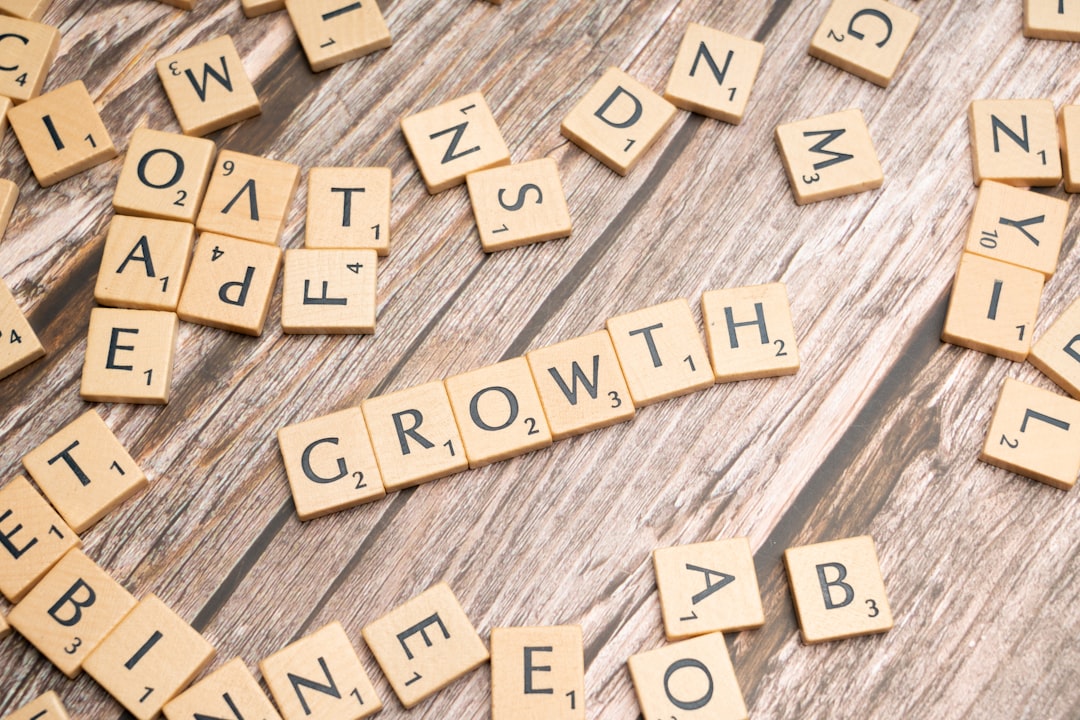
Uncertainty is an inevitable part of life, and it’s only by embracing it that we can truly grow and develop as individuals. As professionals, we are no strangers to uncertainty, whether it’s navigating the ever-changing landscape of our industry, dealing with unexpected setbacks, or simply trying to stay ahead of the curve. According to psychologist Carol Dweck, individuals with a growth mindset – the idea that our abilities and intelligence can be developed through effort and learning – are 30% more likely to achieve their goals (Seligman et al., 2005). This mindset is the foundation upon which adaptive coping mechanisms are built, allowing us to view challenges as opportunities for growth and development rather than threats to our ego.
Adaptive coping mechanisms are the strategies and skills that enable us to navigate uncertainty with greater ease and confidence. These can include practices such as mindfulness, self-compassion, and emotional regulation, which allow us to stay present and focused in the face of adversity. By developing these skills, we can begin to build mental resilience, enabling us to navigate uncertainty with greater ease and confidence.

Recognizing and Challenging Cognitive Biases
Cognitive biases are a significant obstacle to growth and resilience. They are the tendency to think in certain ways that can lead us astray, and they can take many forms, from confirmation bias (the tendency to seek out information that confirms our existing views) to the availability heuristic (the tendency to overestimate the importance of information that readily comes to mind). By recognizing and challenging these biases, we can begin to develop a more nuanced and accurate understanding of the world around us. For example, let’s say you’re facing a difficult project at work, and you’re feeling overwhelmed by the sheer amount of tasks on your plate. Your first instinct might be to assume that you’re not capable of handling the project, and that you’re likely to fail. However, what if this assumption is based on a cognitive bias? What if, in fact, you have the skills and abilities to handle the project, but are simply feeling overwhelmed by the pressure?
To overcome cognitive biases, we can practice critical thinking, seek out diverse perspectives, and engage in self-reflection. For instance, you can ask yourself questions like: “What are the assumptions underlying my thoughts and behaviors?” “Am I overestimating or underestimating the importance of certain information?” “What are the potential consequences of my actions?” By asking these questions and engaging in self-reflection, we can begin to challenge our cognitive biases and develop a more accurate understanding of the world around us.
The Importance of Self-Awareness in Developing a Growth Mindset
Self-awareness is the ability to recognize and understand our own thoughts, feelings, and behaviors. It’s the foundation upon which adaptive coping mechanisms are built, allowing us to develop a more nuanced and accurate understanding of ourselves and the world around us. Developing self-awareness involves a range of practices, from journaling and meditation to seeking out feedback from trusted colleagues or mentors. By cultivating self-awareness, we can begin to develop a more realistic and positive outlook, one that is grounded in our strengths and abilities rather than our weaknesses and limitations.
For example, let’s say you’re facing a difficult conversation with a colleague or manager. Your first instinct might be to avoid the conversation altogether, or to go into it with a defensive or aggressive mindset. However, what if, instead, you approach the conversation with a growth mindset – one that is open, curious, and willing to learn? By cultivating self-awareness, you can begin to develop a more nuanced and accurate understanding of the situation, one that takes into account the needs and perspectives of all parties involved.
Developing Emotional Intelligence: The Key to Mental Resilience
Emotional intelligence (EI) is the ability to recognize and understand emotions in ourselves and others, and to use this awareness to guide our thoughts and behaviors. It’s a key component of mental resilience, enabling us to navigate uncertainty with greater ease and confidence. Research has shown that individuals with high EI are better able to manage stress, build strong relationships, and achieve their goals (Goleman, 1995). By developing EI, we can begin to cultivate a more nuanced and accurate understanding of ourselves and the world around us.
For instance, let’s say you’re facing a difficult project at work, and you’re feeling overwhelmed by the sheer amount of tasks on your plate. Your first instinct might be to feel anxious or stressed, but what if, instead, you approach the project with a growth mindset – one that is open, curious, and willing to learn? By developing EI, you can begin to cultivate a more nuanced and accurate understanding of the situation, one that takes into account the needs and perspectives of all parties involved.