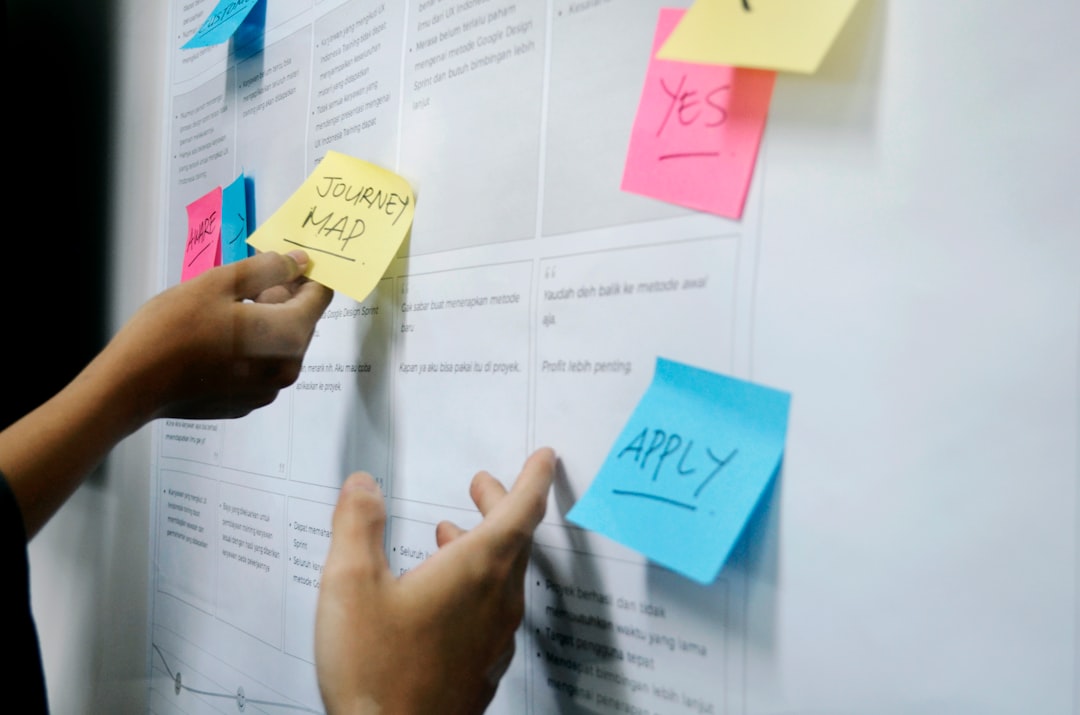
Do you remember when the world first discovered ChatGPT? Back then, artificial intelligence was viewed mostly as a magical novelty—a parlor trick that could write a poem or generate a quick email template. However, as we firmly establish ourselves in 2026, the landscape has fundamentally shifted. We are no longer just “using” AI; we are building comprehensive, seamlessly integrated ecosystems known as the AI Productivity Stack.
For high-performers, founders, and professionals trying to squeeze the absolute maximum out of their 24 hours, assembling the right AI stack is the difference between constant burnout and effortless execution. It’s not about working harder anymore; it’s about delegating the cognitive heavy-lifting to algorithms so you can focus on deep, meaningful work.
What Exactly is an AI Productivity Stack?
Think of an AI Productivity Stack as your personal, highly-capable digital workforce. Just like a software developer relies on a “tech stack” (a combination of programming languages, databases, and servers) to build an application, a modern knowledge worker uses an AI stack to construct their day.
A well-optimized stack in 2026 isn’t just a collection of random subscriptions. It is a strategically connected web of tools where data flows effortlessly from one application to the next. Your meeting notes automatically become task lists, which then automatically schedule themselves into your calendar based on your energy levels.
The Four Pillars of the 2026 Productivity Ecosystem
To build a robust stack, you need to cover four fundamental pillars. Let’s break down each one and look at how the best in the business are utilizing them today.
1. The “Second Brain” (Knowledge Management) 🧠
Your biological brain is phenomenal at generating ideas, but it is terrible at storing them. This is where the concept of a “Second Brain” comes in, and in 2026, these tools are entirely AI-driven.
- How it works: You dump everything—articles, passing thoughts, PDF reports, meeting transcripts—into a centralized hub. The AI then synthesizes, tags, and connects this information for you.
- Top contenders: Applications like Notion AI, Obsidian (with Copilot plugins), and Mem.ai are leading the charge. When you sit down to write a report, you no longer start with a blank page; you start by asking your Second Brain to pull together all your notes on the topic.
2. The Autonomous Schedulers (Time Optimization) ⏱️
Time blocking used to be a tedious Sunday evening ritual. Now, it’s fully automated.
- How it works: You input your tasks, estimated durations, and deadlines. The AI analyzes your calendar, calculates travel time between physical meetings, factors in your peak energy hours (e.g., placing deep creative work in the morning), and generates the perfect schedule.
- The Benefit: If an emergency meeting pops up, the AI instantly recalculates and reshuffles your entire week in milliseconds, ensuring no deadline is missed without you breaking a sweat.
3. The Intelligent Communication Filters (Focus Protection) 🛡️
The average professional receives hundreds of emails and slack messages daily. The 2026 AI stack treats this influx of data like a highly trained executive assistant.
- How it works: AI email clients don’t just sort spam; they read your emails, understand the context, and summarize long threads into bullet points. They can draft context-aware replies in your exact tone of voice, holding them in a draft folder for your final approval.
- The Benefit: You spend 15 minutes a day managing communication instead of two hours, preserving your cognitive bandwidth for actual work.
4. The Automated Delegators (Task Execution) 🤖
This is where 2026 separates itself from previous years. We have moved from AI that suggests to AI that executes.
- How it works: Using tools like Zapier’s advanced AI workflows or specialized autonomous agents, you can set up triggers. For example: “When a new lead fills out the website form, analyze their company size, generate a customized pitch deck based on our templates, and email it to them while copying my CRM.”
- The Benefit: Entire administrative departments are now being handled by a well-crafted string of prompts.
How to Start Building Your Stack Today
It is incredibly easy to fall victim to “Shiny Object Syndrome” when a new AI tool launches every single day. If you try to adopt everything at once, your productivity will plummet as you spend more time managing the tools than doing the work.
“The goal of an AI stack isn’t to use the maximum number of tools. It is to use the minimum number of tools required to achieve maximum output.”
Here is a step-by-step approach to building yours:
- Audit Your Bottlenecks: For one week, track what tasks drain your energy the most. Is it scheduling? Replying to emails? Organizing research?
- Target the Weakest Link: Pick exactly one area to automate first. If scheduling is your nightmare, adopt an AI calendar tool and master it for 30 days before adding anything else.
- Focus on Integration: Before adopting a new tool, ask yourself: “Does this connect seamlessly with the tools I already use?” A standalone tool that doesn’t share data creates silos and kills productivity.
Conclusion: The Human Element Remains Supreme
As powerful as the AI Productivity Stack has become in 2026, it is crucial to remember its ultimate purpose. We are not automating our lives so we can act more like robots. We are automating the robotic parts of our jobs so we can be more human.
By delegating the scheduling, filtering, and organizing to artificial intelligence, you reclaim the time and mental energy needed for deep creativity, strategic thinking, and genuine human connection. Build your stack wisely, and take your time back.
What is the one AI tool you absolutely cannot live without right now? Let us know in the comments below!