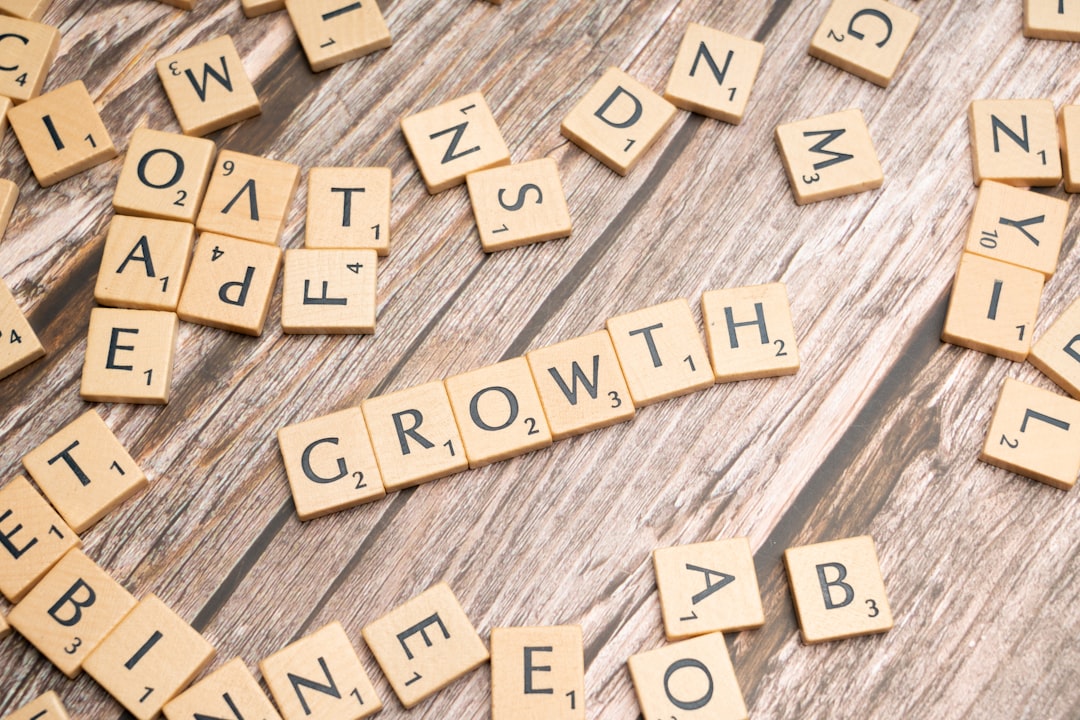
In today’s fast-paced, ever-changing world, high-achieving professionals are constantly faced with uncertainty, leaving them feeling overwhelmed, anxious, and uncertain about how to proceed. According to the American Psychological Association, 61% of adults in the United States experience stress, with 22% reporting extreme stress (APA Stress in America 2020 report). However, what if we told you that there’s a way to develop the emotional agility needed to thrive in the face of uncertainty? By cultivating a growth mindset, embracing adaptability, and practicing resilience-enhancing strategies, you can learn to navigate the unknown with confidence and poise.
Developing a growth mindset is the first step towards cultivating emotional agility. According to Carol Dweck, a renowned psychologist, a growth mindset is the ability to see challenges as opportunities for growth and learning, rather than threats to our ego (Dweck, 2006). By embracing uncertainty as a chance to learn and adapt, you’ll be better equipped to navigate the complexities of modern life. For instance, Thomas Edison, the inventor of the light bulb, is famously quoted as saying, “I have not failed. I’ve just found 10,000 ways that won’t work.” This mindset allowed him to persist through 10,000 attempts, ultimately leading to the creation of the light bulb. By adopting a similar mindset, you can develop a more positive and resilient approach to challenges.

One way to cultivate a growth mindset is to reframe failures as opportunities for growth. Instead of viewing mistakes as threats to our ego, we can see them as valuable learning experiences that help us grow and improve. Research has shown that individuals with a growth mindset are more likely to take risks, innovate, and achieve success (Blackwell, Trzesniewski, & Dweck, 2007). By reframing failures in this way, we can develop a more positive and resilient mindset.
Adaptability and resilience are two interconnected concepts that are essential for navigating the complexities of modern life. Adaptability refers to our ability to adjust to changing circumstances, while resilience refers to our ability to bounce back from adversity. By cultivating both adaptability and resilience, we can develop the emotional agility needed to thrive in the face of uncertainty. For example, a study on entrepreneurs found that those who were more adaptable and resilient were more likely to survive and thrive in the face of uncertainty (Gartner, 2018). By developing these skills, you can better navigate the complexities of modern life.
Cognitive flexibility is the key to emotional agility. By practicing perspective-taking and reframing negative thoughts, we can develop the ability to switch between different perspectives and consider multiple viewpoints. For instance, let’s say you’re feeling anxious about an upcoming deadline. Instead of catastrophizing and thinking, “I’ll never meet this deadline,” try reframing your thoughts by saying, “I’ve got this. I’ve met deadlines before, and I can do it again.” By reframing negative thoughts in this way, you can develop the cognitive flexibility needed to manage stress and adapt to change.
Reframing negative thoughts is a powerful strategy for developing emotional agility. By practicing perspective-taking and reframing negative thoughts, we can develop the ability to switch between different perspectives and consider multiple viewpoints. For instance, let’s say you’re feeling anxious about an uncertain future. Instead of thinking, “I don’t know what’s going to happen,” try reframing your thoughts by saying, “I’m not sure what’s going to happen, but I’m excited to find out.” By reframing negative thoughts in this way, you can develop the emotional agility needed to navigate uncertainty.
Cultivating emotional agility requires a combination of mindfulness, self-awareness, and resilience-enhancing strategies. By practicing mindfulness, self-awareness, and reframing negative thoughts, we can develop the emotional agility needed to thrive in the face of uncertainty.