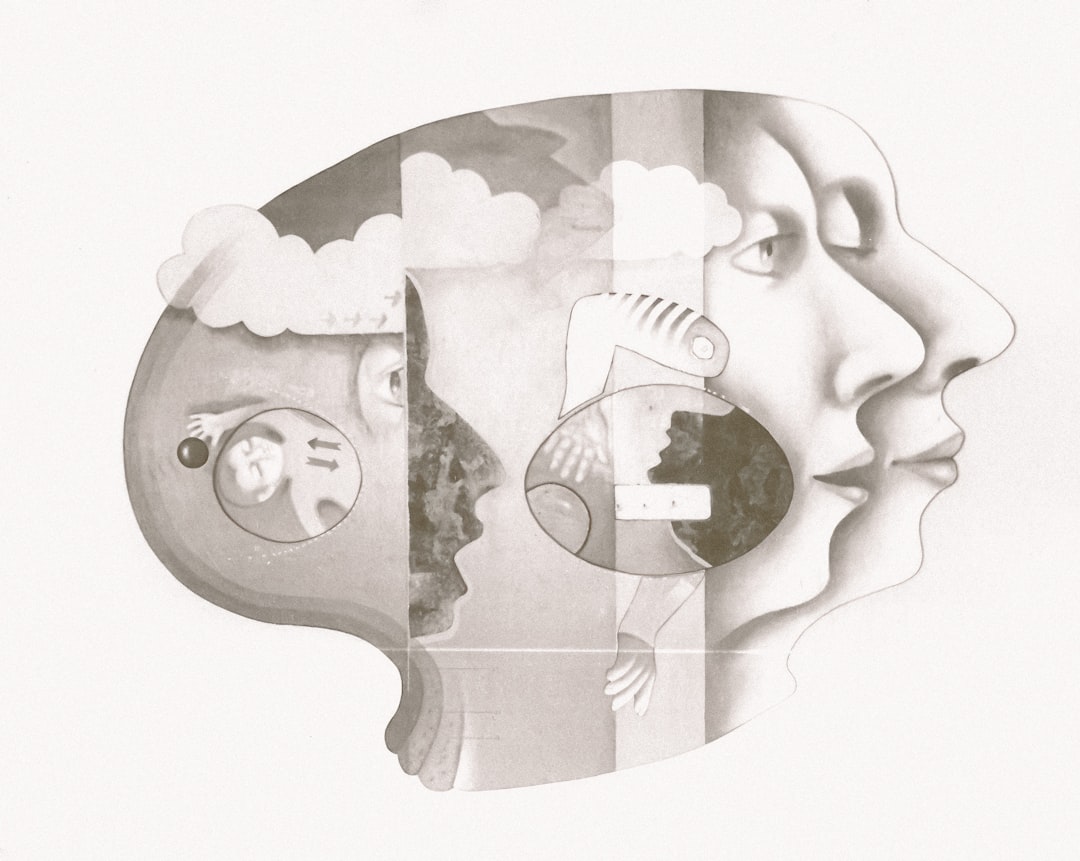
Unlocking Your Potential: The Surprising Truth About Limiting Beliefs and Personal Growth
As we strive for personal development and career advancement, we often encounter obstacles that hinder our progress. However, one of the most significant barriers to achieving our goals lies not in external circumstances, but in the deeply ingrained thoughts and assumptions that silently sabotage our efforts. In this article, we will explore the concept of limiting beliefs, their impact on personal growth, and the strategies for reframing them to cultivate a growth mindset.
The Psychology Behind Limiting Beliefs and Growth Mindset Development
The concept of limiting beliefs is closely tied to the idea of growth mindset development. According to Carol Dweck, a renowned psychologist, individuals with a growth mindset believe that their abilities and intelligence can be developed through hard work, dedication, and persistence (Dweck, 2006).

The Origins of Limiting Beliefs: Past Experiences and Societal Expectations
Limiting beliefs often originate from past experiences, societal expectations, and cultural norms. For instance, a person who experienced failure in their early career may develop a limiting belief that they are not cut out for their chosen profession.
Practical Strategies for Reframing Limiting Beliefs and Cultivating a Growth Mindset
Techniques for Identifying and Challenging Negative Self-Talk and Limiting Beliefs
To identify our limiting beliefs, we can start by paying attention to our inner dialogue. What are the negative self-statements that we repeat to ourselves on a daily basis? Are there specific situations or triggers that cause us to feel anxious or doubtful?
Sustaining Personal Growth: Building Emotional Intelligence and Long-Term Motivation
Cultivating a growth mindset is not a one-time event, but rather a continuous process that requires ongoing effort and dedication. To sustain personal growth, we need to build emotional intelligence and develop long-term motivation.