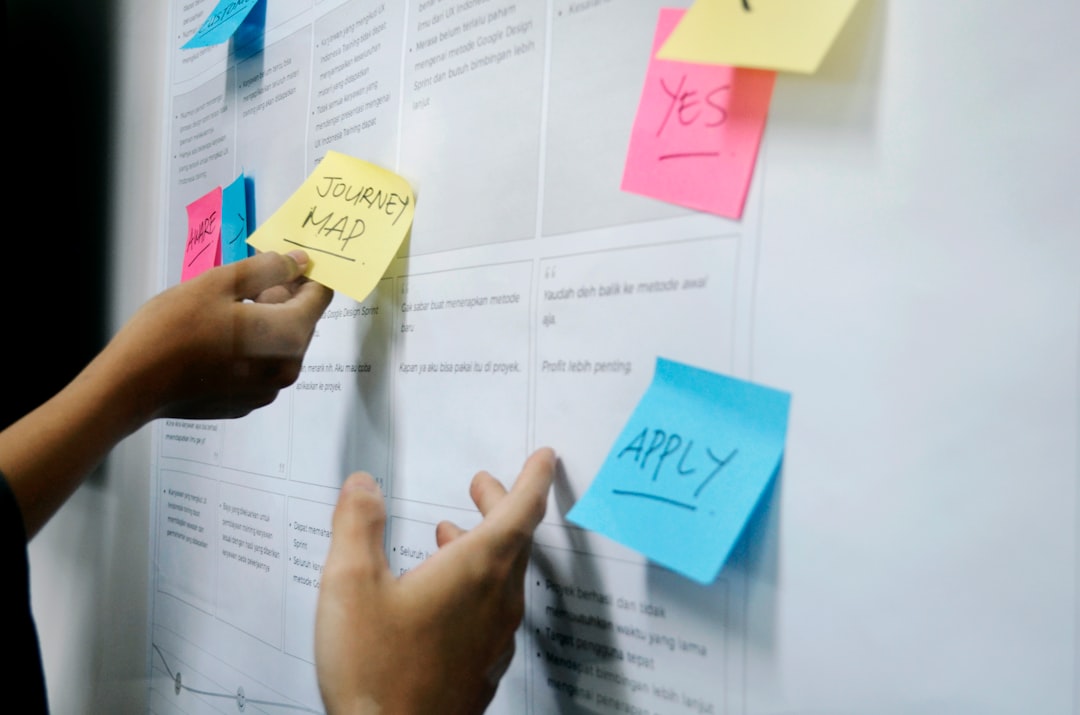
Unlocking the Power of Flow State: Achieving High-Productivity Workflows for Remote Professionals
As a remote professional, you’re no stranger to the challenges of staying focused and productive in a world filled with distractions. But what if you could tap into a state of complete absorption in your work, where time disappears and you’re fully engaged in the task at hand? This is known as the flow state, a mental state characterized by heightened focus, concentration, and productivity.
Overcoming Obstacles to Flow State in Remote Work
One of the primary challenges of achieving flow state in remote work environments is the abundance of distractions. Social media, email notifications, and instant messaging apps can be particularly detrimental, as they interrupt our workflow and disrupt our concentration.

Creating an Optimal Work Environment for Flow State
To create an optimal work environment for flow state, it’s essential to establish a dedicated workspace that is free from distractions and interruptions. Consider the following tips to create an optimal work environment:
- Minimize clutter: A cluttered workspace can lead to mental clutter, making it difficult to focus and maintain flow state.
- Invest in ergonomic furniture: Ergonomic furniture can help reduce physical discomfort and improve concentration.
- Use ambient music: Research has shown that listening to ambient music can improve focus and productivity.
- Utilize natural light: Natural light can improve mood and productivity, so try to position your workspace near a window.
Transitioning into and Maintaining Flow State
Transitioning into flow state can be challenging, but there are several techniques that can help. One such technique is the ‘5-4-3-2-1’ exercise, which involves:
- Focusing on five things: Focus on five things that you need to accomplish in the task at hand.
- Concentrating on four things: Concentrate on four things that are necessary to complete the task.
- Noticing three things: Notice three things that are relevant to the task.
- Identifying two things: Identify two things that are critical to the task.
- Taking one action: Take one action to move forward with the task.
Developing a Personalized Plan for Achieving High-Output Workflows
To develop a personalized plan for achieving high-output workflows, we can use the ‘Flow State Framework.’ This framework involves the following steps:
- Assess your current workflow: Identify areas where you can improve your workflow and reduce distractions.
- Set clear goals: Set clear goals for your work and prioritize tasks accordingly.
- Establish a routine: Establish a routine that includes regular breaks and time for focused work.
- Track your progress: Track your progress and identify areas for improvement.
- Adjust your plan: Adjust your plan as needed to ensure that you’re achieving your goals.
Conclusion: Mastering the Flow State for Remote Productivity
Achieving high-productivity workflows as a remote professional requires a combination of strategies, techniques, and habits. By understanding the concept of flow state, identifying common obstacles to achieving it, and implementing actionable strategies for creating an optimal work environment, transitioning into and maintaining flow state, and developing a personalized plan for achieving high-output workflows, you can unlock your full potential and achieve exceptional results.