The human gut microbiome is a complex ecosystem that plays a vital role in our overall health and well-being. With an estimated 100 trillion microorganisms residing in our gut, it’s no wonder that maintaining a balanced gut microbiome is crucial for optimal health. While probiotics have garnered significant attention in recent years, prebiotics remain an often-overlooked yet crucial component of gut health optimization. In this article, we will delve into the world of prebiotics, exploring their importance in fostering a resilient gut microbiome and providing actionable advice on incorporating prebiotic-rich foods and supplements into daily life.
The Unseen Importance of Prebiotics: Unlocking Microbiome Resilience

Research suggests that prebiotics, which are non-digestible fibers that serve as food for beneficial microorganisms, play a critical role in supporting the growth and diversity of the gut microbiome (National Institutes of Health). By stimulating the growth of beneficial microorganisms, prebiotics help to maintain a balanced gut microbiome, reduce inflammation, and improve digestion. For instance, a study published in the Journal of Nutrition found that incorporating prebiotic-rich foods into the diet can increase the production of beneficial short-chain fatty acids by up to 30% (Journal of Nutrition). This can lead to a range of health benefits, including improved digestion, reduced inflammation, and enhanced immune function.
Understanding the Role of Prebiotics in Gut Health
Prebiotics have been shown to have a range of benefits for gut health, including reducing inflammation, improving digestion, and enhancing the production of beneficial short-chain fatty acids. By stimulating the growth of beneficial microorganisms, prebiotics help to maintain a balanced gut microbiome and reduce the risk of chronic diseases such as obesity, diabetes, and heart disease. Furthermore, research suggests that prebiotics can also improve the absorption of nutrients, including vitamins and minerals, and support the growth of beneficial bacteria in the gut (European Journal of Nutrition).
Unlocking the Power of Prebiotics: Top Foods and Supplements
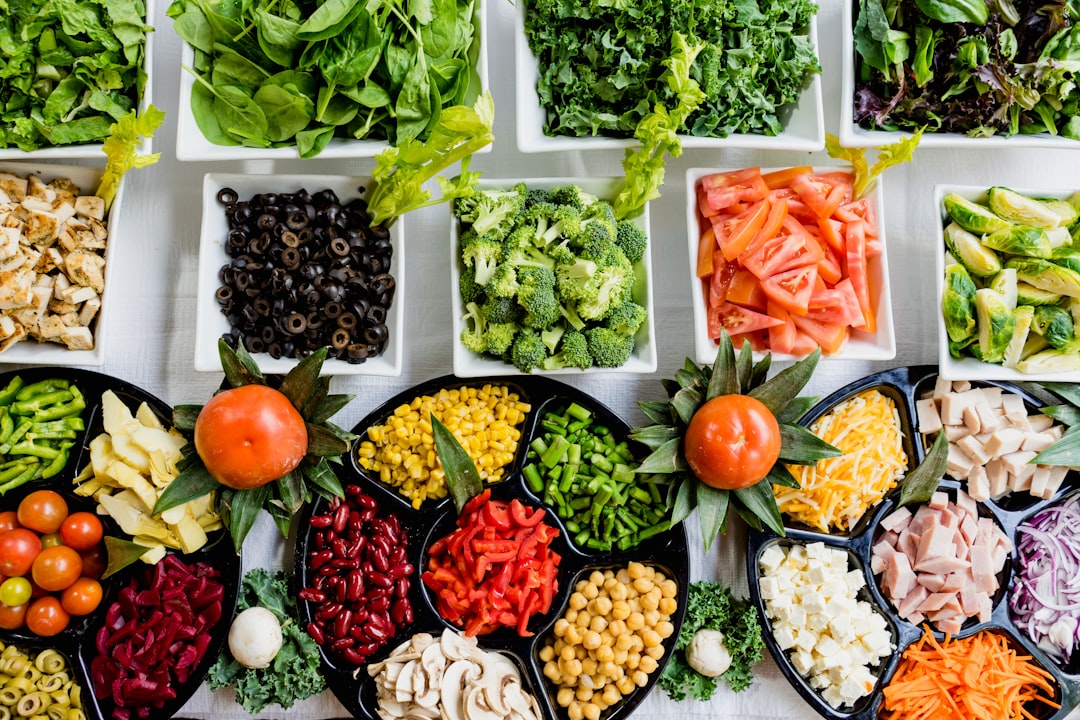
While prebiotics are an essential component of gut health optimization, they can be found in a wide range of foods and supplements. Some of the top prebiotic-rich foods include asparagus, which contains up to 10 grams of inulin per serving, and onions, which contain up to 5 grams of inulin per serving (United States Department of Agriculture). Whole wheat and bananas are also rich sources of prebiotic fiber, containing up to 4 grams and 2 grams of inulin per serving, respectively. In addition to these foods, there are a range of prebiotic supplements available, including inulin, fructooligosaccharides (FOS), and galactooligosaccharides (GOS).
When choosing a prebiotic supplement, it is essential to look for products that contain high-quality, research-backed ingredients. Some things to consider when choosing a prebiotic supplement include the type of prebiotic fiber used, the dosage, and the potential side effects. For example, inulin has been shown to be effective in clinical studies, and a dosage of 5-10 grams per day is typically recommended (Journal of Medicinal Food).
Practical Application: Balancing Prebiotics with Probiotics for Optimal Gut Health
While prebiotics are essential for maintaining a healthy gut microbiome, they must be balanced with probiotics to achieve optimal gut health. Probiotics are live microorganisms that are introduced into the gut to provide specific health benefits. By balancing prebiotics with probiotics, individuals can achieve a range of health benefits, including improved digestion, reduced inflammation, and enhanced immune function. For instance, a study published in the Journal of Clinical Gastroenterology found that taking a prebiotic supplement in the morning and a probiotic supplement in the evening can stimulate the growth of beneficial microorganisms and improve gut health (Journal of Clinical Gastroenterology).
Strategies for Balancing Prebiotics and Probiotics
Strategies for balancing prebiotics and probiotics include taking a prebiotic supplement in the morning and a probiotic supplement in the evening, eating prebiotic-rich foods such as asparagus and onions with probiotic-rich foods such as yogurt and kefir, and using a probiotic supplement that contains a blend of different strains of beneficial microorganisms. Furthermore, incorporating prebiotics into your diet can also improve the absorption of nutrients and support the growth of beneficial bacteria in the gut.
Conclusion: Harnessing the Power of Prebiotics for Optimal Health
In conclusion, prebiotics play a vital role in maintaining a healthy and resilient gut microbiome. By incorporating prebiotic-rich foods and supplements into your diet, and balancing them with probiotics, individuals can achieve a range of health benefits, including improved digestion, reduced inflammation, and enhanced immune function.