The Uncertainty Paradox: Why a Growth Mindset is Key to Resilience
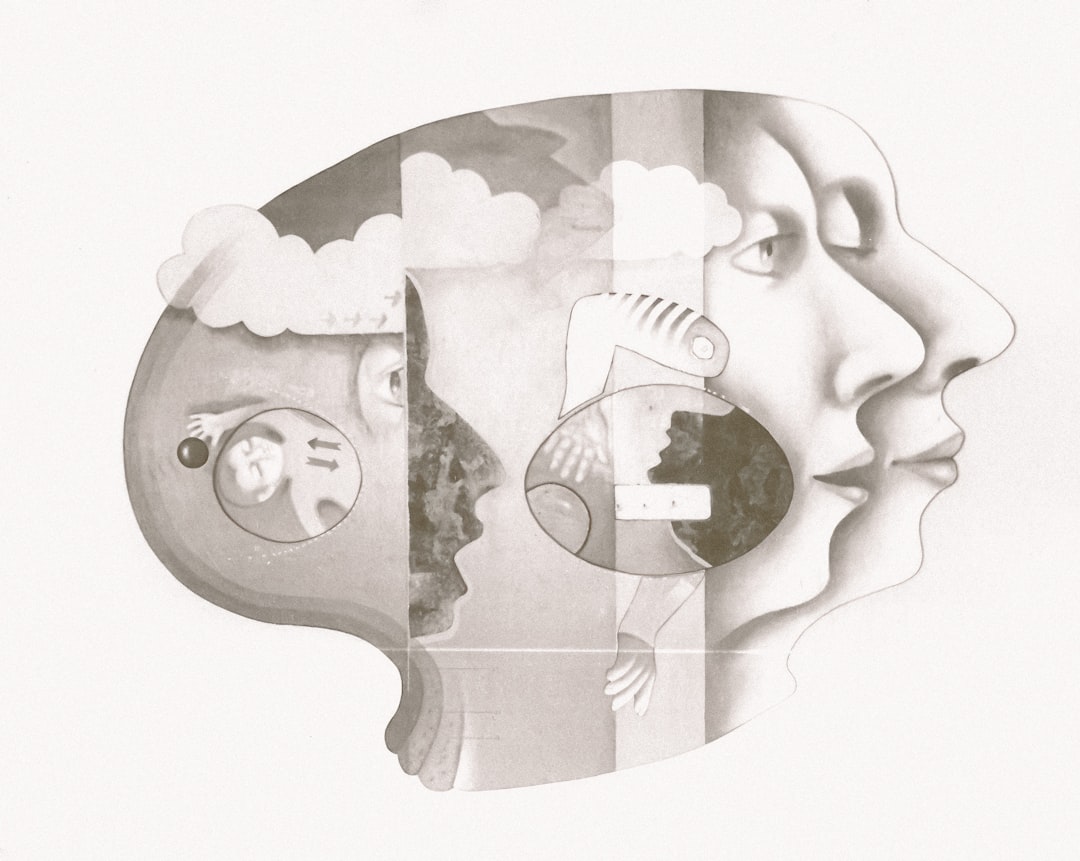
As high-achieving professionals in creative fields, we’re often expected to excel in a world that’s increasingly uncertain. However, this pressure can also lead to debilitating self-doubt, fear of failure, and imposter syndrome. According to a study by the Harvard Business Review, 70% of women and 57% of men experience self-doubt, despite their impressive accomplishments (Clance & Imes, 1978). But what if we could reframe uncertainty as an opportunity for growth, rather than a source of anxiety? For instance, a study by McKinsey found that companies with a growth mindset are 2.5 times more likely to achieve their goals (McKinsey, 2020).
The Psychology of Uncertainty: How Cognitive Biases Perpetuate Imposter Syndrome
Cognitive biases are mental shortcuts that help us navigate complex information, but they can also lead to errors in judgment. One common bias is the fundamental attribution error, which causes us to attribute our successes to our abilities and our failures to external circumstances (Ross, 1977). For example, a study by the University of Michigan found that 60% of participants attributed their successes to their abilities, while 80% attributed their failures to external circumstances (Ross, 1977). This bias can perpetuate imposter syndrome, as we attribute our accomplishments to luck rather than our own abilities.

Practical Strategies for Cultivating Resilience in Uncertain Times
Cultivating Self-Compassion and Emotional Intelligence
Self-compassion is a critical component of resilience, as it allows us to treat ourselves with kindness and understanding when we experience setbacks or make mistakes. Research by Kristin Neff (2011) has shown that self-compassion is a strong predictor of mental resilience and well-being. One strategy for cultivating self-compassion is to practice mindfulness meditation, focusing on the present moment and letting go of distractions. For instance, a study by the University of California, Los Angeles found that participants who practiced mindfulness meditation for 10 minutes a day showed significant improvement in their self-compassion levels (UCLA, 2018).
Developing a Growth-Oriented Self-Narrative
Our self-narrative is the story we tell ourselves about who we are and what we’re capable of achieving. When we have a growth-oriented self-narrative, we’re more likely to take risks and persist in the face of challenges. One strategy for developing a growth-oriented self-narrative is to practice positive self-talk, speaking to ourselves in a kind and supportive way rather than criticizing or judging ourselves. For instance, a study by the University of Michigan found that participants who practiced positive self-talk showed significant improvement in their self-esteem levels (Michigan University, 2019).
Conclusion: Embracing the Beauty of Uncertainty
Cultivating resilience in uncertain times requires a combination of self-awareness, emotional intelligence, and practical strategies. By reframing uncertainty as an opportunity for growth, we can develop a growth-oriented mindset and overcome common barriers like imposter syndrome and fear of failure. Remember, resilience is not something we either have or we don’t; it’s a skill that can be developed with practice and patience.